
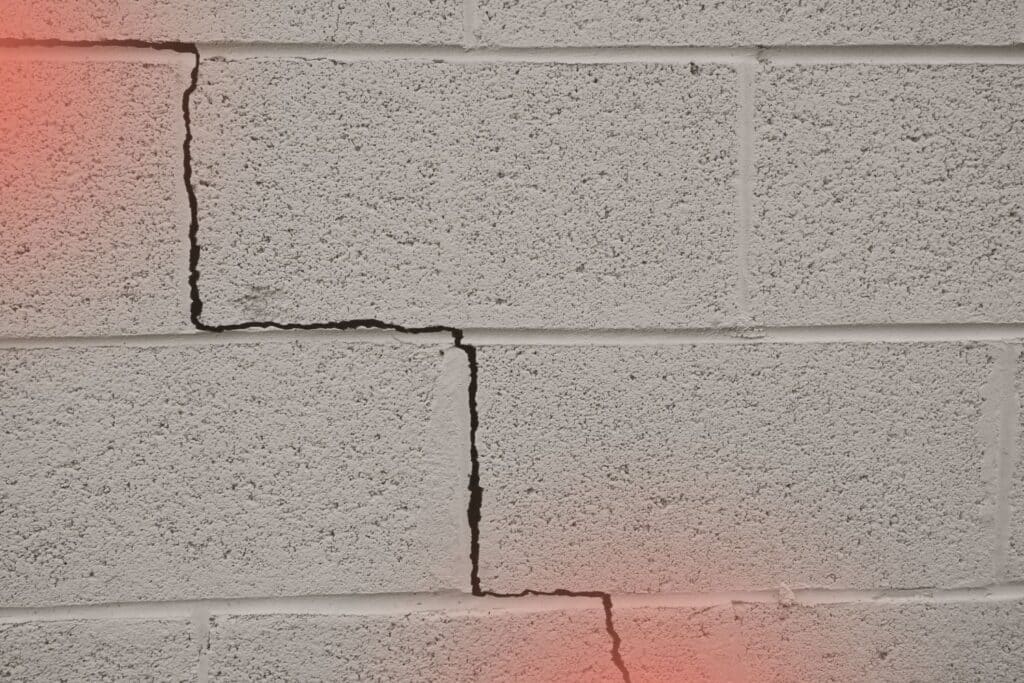
Every home’s foundation tells a story about its environment…and potential issues. Across the United States, soil composition, temperature swings, and rainfall all shape how stable a home remains over time.
If you live in metro Atlanta, Georgia, or near Ann Arbor, Michigan, your foundation faces unique challenges. Atlanta’s red clay expands and contracts with moisture, while Ann Arbor’s colder winters lead to frost heave and settling. Both can cause cracks, uneven floors, and long-term structural stress if not carefully maintained.
This guide from Champia Real Estate Inspections explains how foundation issues differ by region, what homeowners should look for, and how inspectors assess the foundation during a residential inspection.
Why Foundation Issues Are So Common
According to the U.S. Department of Housing and Urban Development, nearly 25% of American homes experience some form of structural movement during their lifetime. This happens because the ground beneath the foundation expands, contracts, or erodes as moisture and temperature fluctuate.
Even small changes can cause cracks or misalignment that grow worse over time. Home inspections that include a close look at the foundation help identify whether visible concerns are normal settling or signs of structural stress.
Foundation Issues in Metro Atlanta, Georgia
Metro Atlanta sits on clay-heavy soil that swells with moisture and shrinks as it dries. Prolonged rainstorms followed by hot, dry periods create cycles of soil movement that strain slab and pier foundations.
These are some of the common problems here:
- Stair-step cracks in brick or block walls.
- Doors and windows that stick during dry spells.
- Gaps where walls meet ceilings or floors.
- Water that seeps into basements or crawl spaces after storms.
Prevention Tips for Atlanta Homes
- Keep gutters and downspouts clear so water drains several feet away from the foundation.
- Use even watering near the base of the home to prevent clay shrinkage.
- Grade soil away from the structure to reduce pooling during rain.
- Have a full home inspection before buying, selling, or after heavy seasonal shifts.
Atlanta’s humid climate also increases the risk of hidden moisture behind walls, which can accelerate deterioration. Regular home inspections catch these small warning signs before they evolve into major issues.
Foundation Issues in Ann Arbor, Michigan
Ann Arbor’s climate brings freezing temperatures and spring thaws that cause the soil to expand and contract repeatedly. When groundwater freezes, it exerts upward pressure on foundation walls and footings. As it thaws, the soil softens, allowing the structure to settle unevenly
These are some of the common problems here:
- Horizontal cracks from frost pressure on the basement walls.
- Flaking or crumbling concrete (spalling) caused by freeze-thaw moisture.
- Uneven basement floors or shifting door frames.
- Gaps between steps, porches, and the main structure.
According to the National Association of Home Builders, frost depths in Michigan can reach 42 inches, making shallow or uninsulated foundations more prone to frost heave.
Prevention Tips for Ann Arbor Homes
- Ensure the foundation extends below local frost depth.
- Insulate basement walls and rim joists to stabilize temperature.
- Redirect snowmelt and rainwater away from exterior walls.
- Maintain sump pumps and check drain tiles each spring.
A home inspection that includes a foundation assessment provides valuable information on how well a property withstands these freeze-thaw cycles.
Comparing Atlanta and Ann Arbor
| Condition | Metro Atlanta, GA | Ann Arbor, MI |
| Soil Type | Dense red clay that swells and shrinks | Clay and loam that freeze and thaw |
| Climate Stress | Rain, humidity, and heat | Extended freeze-thaw cycles |
| Common Damage | Settlement cracks and wall bowing | Frost heave and moisture intrusion |
| Prevention Focus | Drainage and soil stabilization | Waterproofing and insulation |
While the causes differ, both regions show how moisture and temperature are the biggest drivers of foundation change.
Other U.S. Regions and Their Foundation Challenges
Foundation stress occurs everywhere but takes different forms depending on soil and climate. Understanding these regional patterns helps inspectors and homeowners know what to watch for.
The Northeast (New York, Pennsylvania, New England)
Older homes here often sit on stone or brick foundations. According to the National Park Service, mortar deterioration and efflorescence are common due to prolonged dampness and poor ventilation.
Solutions include repointing mortar, improving drainage, and adding dehumidifiers to maintain safe indoor humidity.
The Midwest Beyond Michigan (Ohio, Illinois, Indiana)
Flat topography and frequent storms create hydrostatic pressure around basements. The Federal Emergency Management Agency (FEMA) reports that inadequate drainage and clogged gutters are leading causes of foundation leaks in this region.
Proper grading, sump pumps, and sealed cracks reduce these risks.
The Southern U.S. Beyond Georgia (Texas, Alabama, Carolinas)
Expansive clay soils dominate this region as well. Soil volume in these areas can swell noticeably when wet, causing severe movement in slab foundations.
Maintaining consistent moisture levels around the perimeter helps prevent cracking.
The Western U.S. (California, Nevada, Arizona)
Arid conditions cause the ground to shrink during drought, leading to foundation settlement. When rare storms hit, the dry soil absorbs water unevenly, increasing slab stress.
Erosion control and drip irrigation systems help stabilize these homes.
Coastal and Gulf States (Florida, Louisiana, Texas Coast)
High water tables and tropical storms create hydrostatic pressure under foundations. FEMA estimates that one inch of flooding can cause more than $25,000 in property damage, emphasizing the need for sump systems, vapor barriers, and proper sealing.
These examples show how each region’s combination of soil type, rainfall, and temperature affects the way foundations age and move.
How Inspectors Assess the Foundation
During a residential or commercial inspection, the foundation is one of the most important structural elements to evaluate. Champia’s inspectors perform a thorough visual and mechanical review to understand the condition and stability of the property.
The assessment often includes:
- Checking for cracks or separation in the basement or crawl space walls.
- Testing doors and windows for proper alignment.
- Measuring moisture levels near the slab or foundation base.
- Inspecting grading and exterior drainage systems.
- Looking for signs of wall bowing or rotation.
- Recording any evidence of previous repairs.
The goal is to determine whether foundation movement is part of normal settling or a sign of ongoing stress. Findings are then documented clearly in the inspection report so homeowners and buyers can make informed decisions about maintenance or next steps.

The Role of Moisture and Drainage
Moisture management is the most effective long-term defense against foundation damage. The Environmental Protection Agency (EPA) advises maintaining indoor humidity below 60% and ensuring exterior grading slopes away from the foundation.
In Atlanta, this means balancing the red clay’s moisture levels and preventing pooling during storms. In Ann Arbor, it means directing snowmelt away from foundation walls and keeping sump systems in good condition.
Even a few simple changes, such as cleaning gutters, extending downspouts, and sealing small cracks, can significantly reduce the risk of settlement or leaks.
How Regional Foundation Conditions Affect Property Value
Foundation problems can influence resale value, inspection reports, and buyer confidence. A small crack might be normal, but when paired with other signs like uneven floors or sticking doors, it can raise questions during a sale.
In both Georgia and Michigan, Champia’s inspections include a full foundation review as part of the overall property evaluation. For sellers, this helps identify and disclose issues early. For buyers, it provides confidence that a professional has checked all structural components.
Other Related Questions
Are small cracks in my foundation a concern?
Hairline cracks are common as concrete cures, but cracks that widen or shift may signal structural stress. An inspector can determine if repairs or monitoring are needed.
What if my basement feels damp even without visible water?
Persistent humidity may come from foundation seepage or poor ventilation. A home inspection that includes a moisture reading can help identify the source and point to solutions.
How does foundation movement affect plumbing or drainage lines?
Soil movement can place stress on underground pipes. This can lead to leaks or backups that show up during a full home or sewer scope inspection.
When to Schedule a Home Inspection
You should schedule an inspection if you notice:
- New or widening cracks in walls or floors.
- Uneven or soft flooring near the basement.
- Water stains or musty odors in the crawl space.
- Doors or windows that no longer align properly.
- Drainage issues that lead to pooling water near the foundation.
Champia Real Estate Inspections performs comprehensive evaluations that include all visible foundation components. Their inspectors help buyers, sellers, and property owners understand the condition of their homes and prioritize needed repairs.
Conclusion
From Atlanta’s red clay soil to Ann Arbor’s freeze-thaw ground, every region places unique stress on a home’s foundation. These conditions can change over time, but regular home inspections and consistent moisture control help maintain long-term stability.
Understanding what to look for in your region and what inspectors evaluate during an inspection can save thousands in future repairs. Whether you are buying, selling, or maintaining your property, Champia Real Estate Inspections provides the professional insight needed to protect your home from the ground up.