
Pool inspections are detailed evaluations of how safely and efficiently a pool or spa operates, covering its structure, plumbing, electrical systems, equipment, and safety barriers.
Whether you are buying a home with a pool or maintaining one you already own, a professional inspection helps you catch problems early, avoid expensive repairs, and confirm the pool meets local safety standards.
At Champia Real Estate Inspections, we look at what is happening beneath the surface, not just the water you can see. This guide walks through what pool inspections cover, what they cost, how long they take, and how to prepare for one.
What Is a Pool Inspection and What Does It Cover?
A pool inspection is a visual and operational review of a pool, its equipment, and the area around it. A qualified inspector checks the structure, mechanical systems, plumbing, electrical components, and safety features, then documents any defects or safety concerns in a written report.
Pools look simple from the surface, but underneath sit plumbing, electrical, heating, and structural systems that all need expert evaluation.
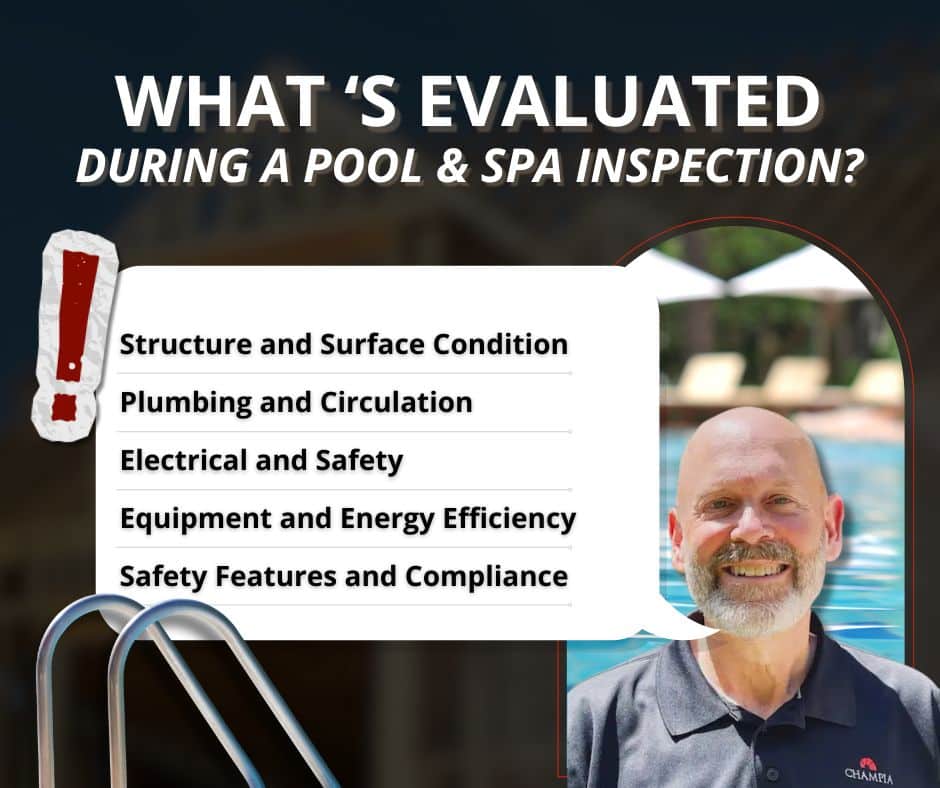
Pool Structure and Surface Condition
The inspector starts with the pool’s overall structure, checking for cracks, stains, or separation between the deck and coping. For concrete pools, even small cracks can point to leaks or pressure buildup. Vinyl and fiberglass pools get checked for warping or liner damage.
Common structure issues include:
- Cracked plaster or deteriorating tile
- Settling or gaps around the pool deck
- Signs of leaking through return lines or fittings
- Discoloration or staining from a chemical imbalance
Small surface defects grow over time, especially where temperature swings cause expansion and contraction.
Plumbing and Circulation Systems
Your pool’s plumbing keeps the water clean and moving. Inspectors check for leaks, correct flow rates, and balanced pressure across the suction and return lines.
Areas evaluated include the pump and filter, skimmers and returns, valves, seals, and unions, and drain covers for safety and compliance. Even minor plumbing leaks waste significant water and chemicals. The EPA notes that a leak dripping once per second wastes more than 3,000 gallons a year, and pool systems running daily add up fast.
Electrical and Safety Systems
Electrical safety is a top priority in pool inspections, because faulty or outdated wiring is a serious hazard. Inspectors confirm that outlets, pumps, and lighting are grounded and bonded correctly, and they test GFCI protection so the system shuts off automatically if a fault occurs.
Other electrical items checked include pool lights and transformers, bonding of all metal components, control panels and timers, and any automation or smart controls. The National Electrical Code requires pools and spas to have properly bonded and grounded equipment to prevent shock, and a professional inspection confirms your setup meets that standard.
Mechanical Equipment and Energy Efficiency
A pool’s equipment is its engine. The inspector tests each major component to confirm it runs efficiently and without leaks: circulation pumps and filters, heaters and thermostats, salt or chlorine generation systems, automatic cleaners and valves, and water features or jets.
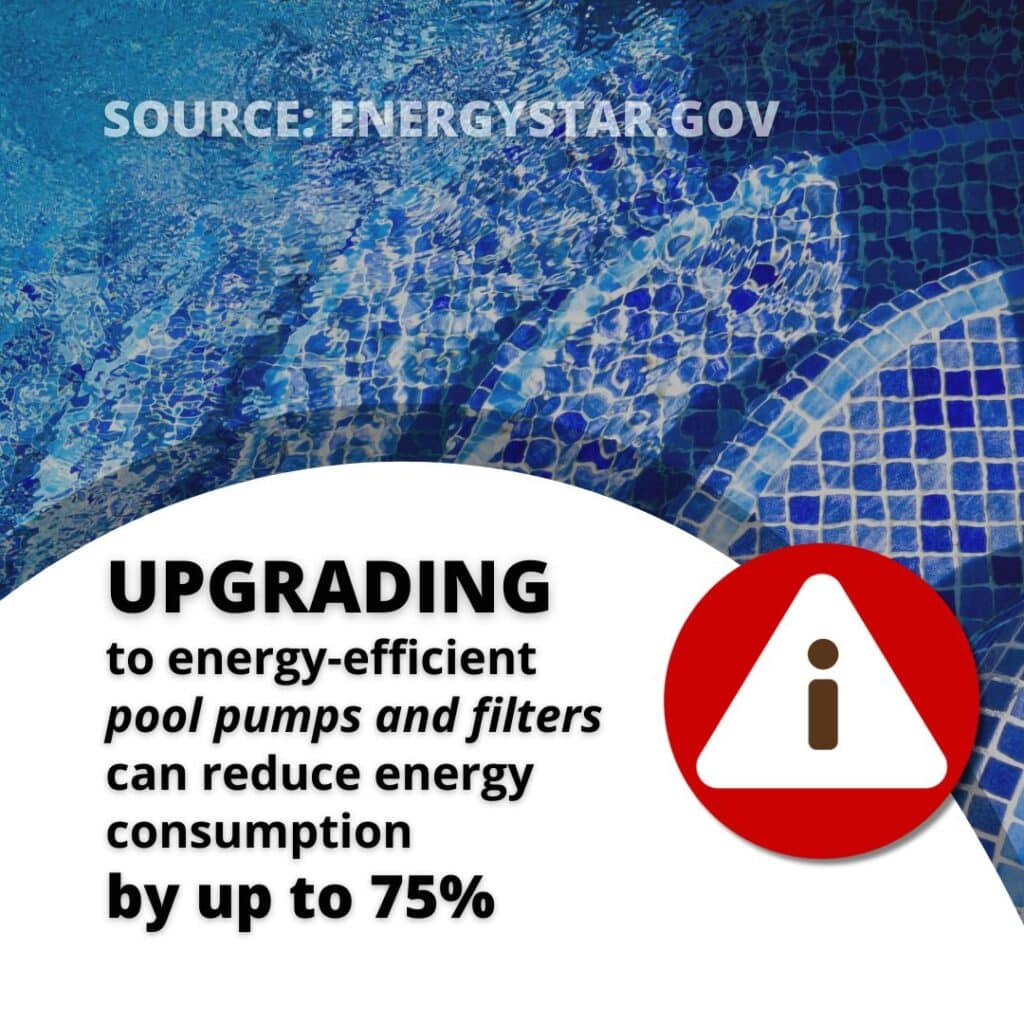
Upgrading to energy-efficient pumps and filters can cut a pool’s energy use substantially, and an inspector may flag equipment worth updating to lower operating costs.
Safety Barriers and Compliance
Safety standards vary by region, but they are part of every inspection. Inspectors check compliance with state and local barrier requirements so the area around the pool protects children and pets.
Typical safety items reviewed include self-closing and self-latching gates, fence height and gap spacing, anti-entrapment drain covers that meet the Virginia Graeme Baker Pool & Spa Safety Act, pool alarms or safety covers, and slip-resistant deck surfaces. A compliant, well-maintained pool area sharply reduces drowning risk, which the CDC identifies as a leading cause of death for children under four.
How Much Do Pool Inspections Cost?
Most standalone pool inspections run between about $125 and $500, with many homeowners paying somewhere in the $150–$350 range depending on the pool’s size, features, condition, and location.
Larger pools, saltwater systems, spas, and elaborate water features take longer to evaluate and cost more. Where you live matters too, since regional labor rates and demand shift the price.
A few factors that move the number:
- Size and type: in-ground pools cost more to inspect than above-ground, and bigger pools take longer.
- Features: spas, waterfalls, automation, and lighting add inspection time.
- Condition and age: older or poorly maintained pools have more to check.
- Bundling: some inspectors reduce the pool fee when it is added to a full home inspection.
Set against the cost of repairs, an inspection is cheap insurance. A single missed leak or failing pump can cost far more than the inspection itself, so the report often pays for itself the first time it catches something.
How Long Does a Pool Inspection Take?
A typical pool inspection takes about 45 to 90 minutes, though large or feature-heavy pools can run to two hours or more. Simple above-ground pools may take as little as 30 to 45 minutes, while an in-ground pool with a spa, waterfalls, and extensive equipment takes longer because every pump, filter, and heater has to run through its operating cycle.
The time also depends on the pool’s condition. A well-maintained pool moves quickly, while one with visible problems needs more documentation and testing.
If you want a detailed report with photos and repair recommendations, expect the inspector to spend extra time on site and afterward preparing it.
How Pool Inspections Complement a Home Inspection
A standard home inspection usually does not include the pool or spa, because these systems need specialized training and equipment. Many buyers are surprised to learn a home inspector may only note that a pool exists rather than evaluate it.
A dedicated pool inspection fills that gap and, run alongside a home inspection, gives you a complete picture of the property. Because pools tie into household plumbing and electrical systems, doing both together helps make sure nothing is overlooked.
For agents and sellers, a current pool inspection report builds buyer confidence and heads off negotiation delays. For buyers, it means no surprise repairs after closing.
How to Prepare for a Pool or Spa Inspection
A little preparation helps the inspector do a more accurate job. Before the visit, clear debris and leaves from the pool and skimmer baskets, make sure the pool’s power supply is on, provide access to locked gates or enclosures, and gather any maintenance or warranty records.
If the pool is closed for the season, talk with your inspector about timing, since some checks like water circulation and heating can only run when the system is on.
Common Issues Found During Pool Inspections
Even well-kept pools develop small problems over time, and an inspection helps you get ahead of them.
Frequent findings include clogged or aging filters that reduce flow rate, leaky fittings or seals around valves, inconsistent water chemistry affecting surfaces, cracked or missing tiles and coping, malfunctioning GFCI outlets or lighting, and corrosion near metal fixtures.
Most of these are quick fixes once identified, and catching them early prevents water waste, chemical imbalance, and electrical hazards.
Regional Considerations (Georgia & Michigan)
Pool conditions vary widely by climate, so inspectors adjust their approach by region.
In Georgia, high heat and humidity speed up algae growth and chemical use, UV exposure shortens equipment life, and frequent storms mean drainage and power systems need regular checks. In Michigan, winter freezing and thawing can crack surfaces or stress joints, ice pressure strains tiles, skimmers, and plumbing, and a post-winter inspection helps catch frost heave or leaks before summer. Inspectors who work in both regions know which seasonal factors to look for.
Related Questions to Explore
Do pool inspectors test the water quality?
Most pool inspections include a basic water chemistry check for pH, sanitizer levels, and alkalinity. Balanced water protects both swimmers and pool surfaces. A full lab-grade water analysis is usually separate, so ask your inspector what their water check covers.
How often should a pool or spa be inspected?
At least once a year, ideally before the swimming season begins. Annual inspections catch equipment wear, electrical issues, and leaks before they turn into expensive repairs.
Are pool inspections included in a standard home inspection?
Usually not. Most home inspectors note that a pool is present but do not perform a detailed pool evaluation, since it requires separate training. A standalone pool inspection, or a home inspection with a pool add-on, is the way to get the pool properly assessed.
Can a pool be inspected in winter?
Partly. In warm climates where pools stay open year-round, a full inspection is possible any time. In colder regions, a winterized pool limits access, so the inspector can evaluate visible structure and safety barriers but may recommend a follow-up once the pool reopens.
What if I’m buying a home during the off-season?
Your inspector can still assess visible components such as the structure, safety barriers, and equipment condition. Once the pool is reopened, a follow-up inspection completes the operational testing of circulation and heating.
When to Call a Professional
If your pool shows water loss, poor circulation, tripping GFCI outlets, or electrical issues, schedule a professional pool inspection right away. A certified inspector tests your system’s function, safety features, and compliance with local rules, then gives you a written report with findings and recommendations.
Champia Real Estate Inspections offers pool and spa inspections as part of our full-service inspection process, so homebuyers and homeowners across Georgia and Michigan can get one comprehensive evaluation of the whole property.
Conclusion
Owning a pool or spa adds enjoyment and value to your home, but it also comes with responsibility. A professional pool inspection ensures that your system is safe, efficient, and ready for use in any season. From electrical safety to leak detection, each detail matters in protecting your investment.
Whether you’re a buyer wanting to understand a property’s full condition or a homeowner preparing for the next swim season, schedule an inspection with Champia Real Estate Inspections.
Serving Georgia and Michigan, our certified team provides the expertise and attention to detail that help you enjoy your backyard retreat with confidence.