
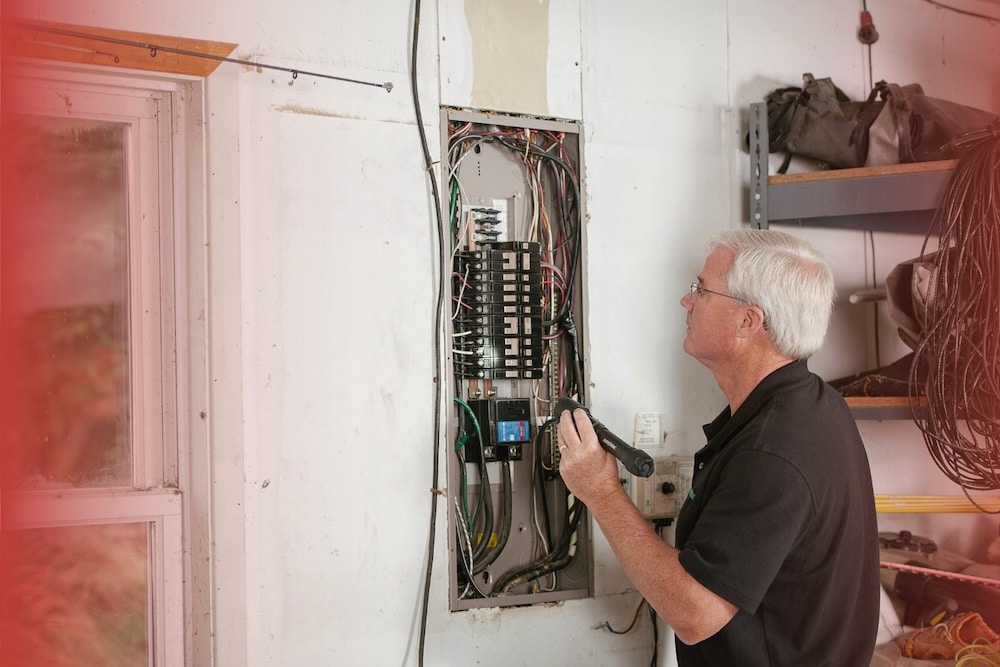
An electrical panel inspection is a check of your home’s breaker box for problems that could cause a fire or shock. The inspector looks at the breakers, wiring, grounding, labels, and the panel itself for damage, overheating, and unsafe work.
Your panel sends power to every circuit in your home, so small problems there can turn into big ones. At Champia Real Estate Inspections, we’ve looked inside thousands of panels across metro Atlanta and Ann Arbor since 1987.
Here’s what an inspection covers, which panels raise red flags, and when it’s time to call an electrician.
What Is an Electrical Panel Inspection?
An electrical panel inspection is a close look at the electrical service panel, also called the breaker box or panelboard. This metal box takes power from the utility line and splits it into circuits for your lights, outlets, and appliances. Each circuit breaker shuts off its circuit if too much current flows through it.
The inspection checks whether the panel can still do that job safely. It covers:
- The condition of the panel box and cover
- Circuit breakers and how they’re wired
- Grounding and bonding, which keep stray current from shocking you
- Labels and the circuit directory
- Signs of heat, arcing, water, or pests
- The panel’s brand, age, and amperage
According to the U.S. Fire Administration, electrical malfunctions caused an estimated 23,700 home fires in 2023, leading to 305 deaths and 800 injuries. A panel check is one of the simplest ways to catch the problems behind those fires early.
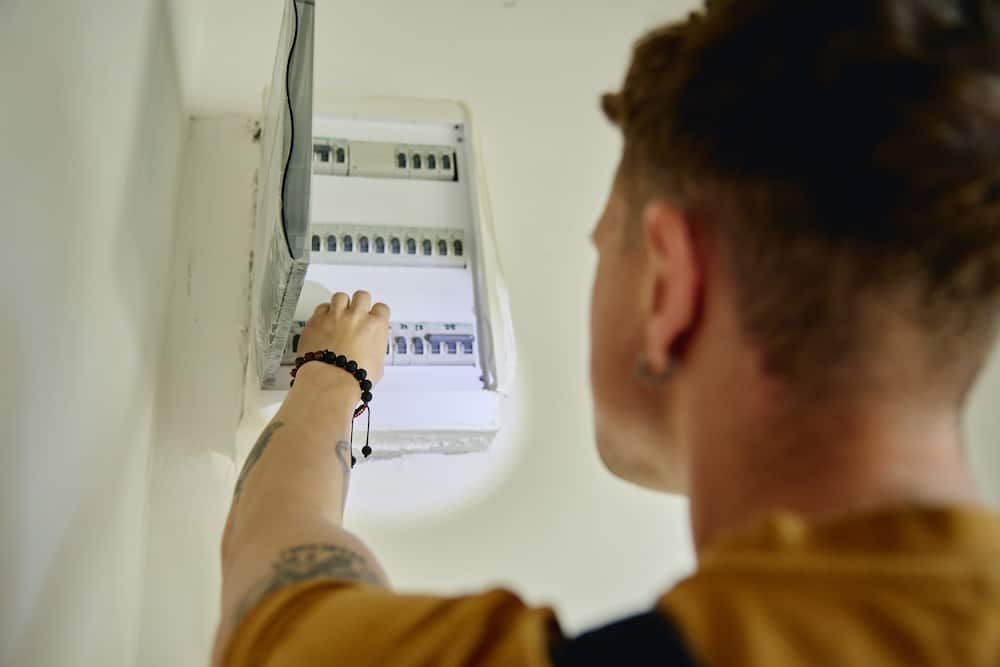
Who Inspects Electrical Panels?
Three different professionals may inspect your panel, and each does a different job. Knowing which one you need saves time and money.
| Who | What They Do | When You’d Use Them |
|---|---|---|
| Home inspector | Visual check of the panel and wiring for defects and safety hazards. Does not certify code compliance or make repairs. | Buying or selling a home, or a general checkup |
| Licensed electrician | Hands-on evaluation. Can test circuits, check loads, and make repairs or replace the panel. | Fixing defects, upgrades, or a deeper evaluation |
| City or county inspector | Checks new work against the local electrical code, usually for a permit. | After a panel replacement, addition, or remodel |
A home inspection is often the first step. It flags what’s wrong so you know whether you need an electrician. Champia also offers thermal imaging, which can show breakers or wires running hotter than they should.
What Does a Home Inspector Look for in an Electrical Panel?
A home inspector checks the panel from the outside first, then looks inside if it’s safe to open. Champia inspectors follow ASHI Standards of Practice.
Outside the Panel
- Access and clear space. The National Electrical Code calls for a clear working space in front of the panel: about 36 inches deep, 30 inches wide, and 6.5 feet high. Shelves, water heaters, and storage boxes often block it.
- Rust, corrosion, or water stains on the box, which can mean water is getting in.
- Open knockouts or missing breaker filler plates. These leave live parts exposed.
- Labels. Every breaker should be marked so you can shut off the right circuit fast.
- Damage to the panel door or cover.
Inside the Panel
When the front cover (called the dead front) can come off safely, the inspector looks for:
- Scorch marks, melted insulation, or burned breakers. These are signs of overheating.
- Double-tapped breakers. Two wires under a screw made for one.
- Oversized breakers. A breaker that’s too large for its wire lets the wire overheat before the breaker trips.
- Loose or damaged wires and connections at the bus bar.
- Aluminum branch wiring. The U.S. Consumer Product Safety Commission estimates that about 2 million homes were wired with aluminum between the late 1960s and early 1970s.
- Bonding and grounding. The inspector checks the main bonding jumper and grounding conductor. Our post on what a bonding jumper is explains why it matters.
- AFCI and GFCI breakers, which protect against arc faults and shocks.
- Signs of DIY work, like mixed brands of breakers or messy wiring.
Electrical problems are one of the items that most often show up in a report. See our list of common things that fail a home inspection for others.
Electrical Panels That Raise Red Flags
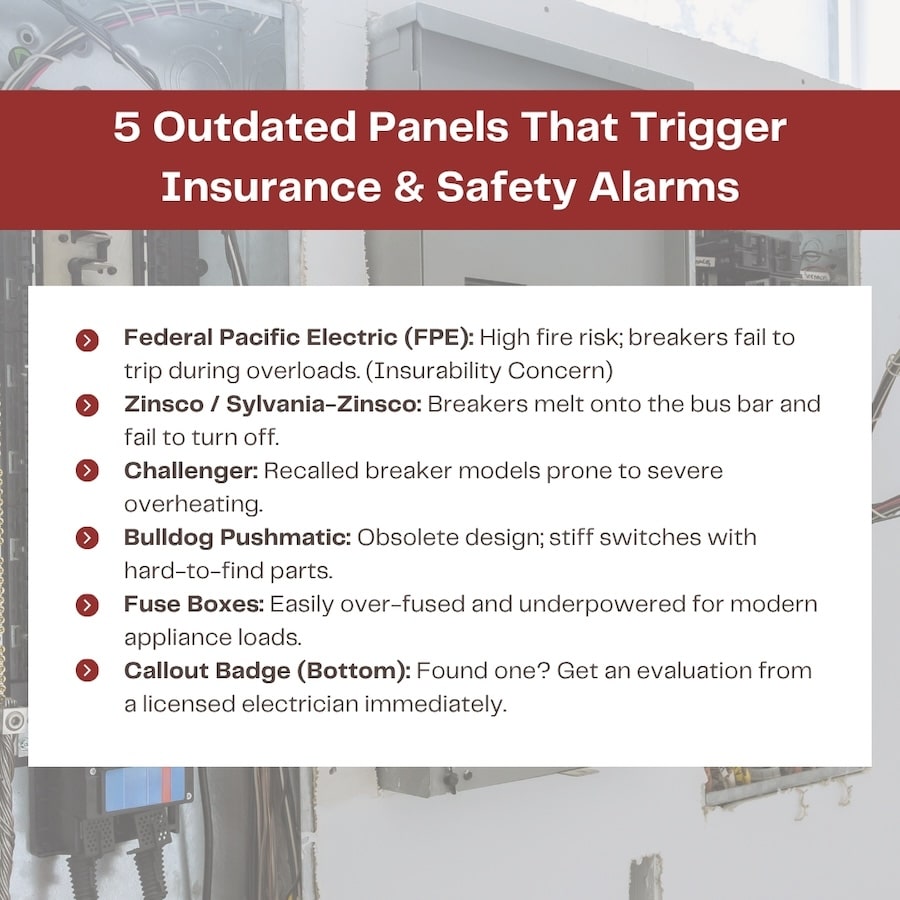
Some panel brands have a known history of problems. If your home has one, an inspector will note it and usually recommend an electrician’s evaluation.
| Panel | Why It’s Flagged | What to Do |
|---|---|---|
| Federal Pacific Electric (FPE) Stab-Lok | Breakers may fail to trip during an overload. Many insurers won’t cover homes with them. | Have an electrician evaluate; many owners replace |
| Zinsco / Sylvania-Zinsco | Breakers can melt onto the bus bar and stay on during a fault. | Have an electrician evaluate; replacement is common |
| Challenger | Some breaker models were recalled for overheating. | Check model numbers with an electrician |
| Bulldog Pushmatic | Old design, hard to find parts, stiff breakers. | Evaluate for age and condition |
| Fuse boxes | Easy to over-fuse; often too small for modern homes. | Consider an upgrade |
A quick note on FPE: the CPSC looked into these panels in the early 1980s but closed its case without a formal recall.
Even so, home inspectors and insurers treat them as a serious concern. If you’re buying a home with one of these panels, ask your insurance agent early.
This guide to non-insurable electrical panels explains why insurers balk.
Warning Signs You Can Spot Safely
You don’t need to open the panel to spot trouble. In fact, you shouldn’t. Removing the cover exposes live parts that can shock or kill you. Look and listen from the outside instead:
- The panel door or cover feels warm to the touch
- Buzzing, crackling, or sizzling sounds
- A burning plastic or hot smell near the panel
- Breakers that trip often or won’t reset
- Flickering or dimming lights when appliances turn on
- Rust or water marks on or under the panel
- Outlets or switches that feel warm. Our post on signs you need to replace a light switch covers this one.
If you see scorch marks, smell burning, or hear sizzling, turn off the main breaker only if it’s safe and call an electrician right away.
How Often Should an Electrical Panel Be Inspected?
There’s no single legal rule for homeowners, but safety groups give clear guidance. The Electrical Safety Foundation International and the CPSC recommend an electrical inspection when:
- Your home is 40 years old or more
- Your home is 10 years or older and has had a major renovation or new large appliances
- You’re buying or selling a home
Many electricians also suggest a check every few years for older homes. You should also get one after storm or flood damage, a lightning strike, or any time you notice the warning signs above.
In Georgia and Michigan, most buyers get the panel checked as part of their home inspection. It’s one of the best times to catch problems, because repairs can be part of the negotiation.
How Much Does an Electrical Panel Inspection Cost?
For home buyers, the panel check is usually included in a standard home inspection at no extra charge. That’s often the most affordable way to get one.
A standalone evaluation by an electrician costs more.
National cost guides put the average around $150, with most jobs between about $75 and $500 depending on the home’s size, the depth of testing, and where you live. Infrared scans and full-home evaluations sit at the higher end.
If the inspection turns up problems, repairs vary widely. A loose connection or a double tap may be a quick fix.
Replacing an outdated panel is a much bigger job, so get quotes from licensed electricians.
Can Your Panel Handle Today’s Electrical Needs?
Many older homes have 60-amp or 100-amp service. That was plenty decades ago. Today’s homes often add:
- EV chargers
- Heat pumps and central air
- Induction ranges and electric dryers
- Hot tubs and pool equipment
- Solar panels and backup batteries
Each one adds load. If your panel is full, uses lots of tandem breakers, or trips when big appliances run together, it may be undersized. An inspector can note the panel’s amperage, and an electrician can do a load calculation to see if you need an upgrade to 200 amps.
Related Questions to Explore
Is my panel safe?
You can’t know for sure without an inspection. Red flags include a warm cover, burning smells, frequent tripping, rust, or a brand like FPE or Zinsco. A home inspection or electrician’s evaluation will tell you where your panel stands. For breaker-specific clues, see these signs of a bad circuit breaker.
Will a Federal Pacific panel pass inspection?
A home inspector doesn’t pass or fail a home, but they will flag an FPE panel as a safety concern and recommend an electrician’s evaluation. The bigger hurdle is often insurance. Many insurers require replacement before they’ll write a policy.
Does an electrical panel need to be labeled to pass inspection?
Yes, for new work. The electrical code requires each circuit to be clearly labeled. In an existing home, missing or unreadable labels will be noted in a home inspection report. Labeling is an easy fix you can do yourself by flipping breakers one at a time and noting what turns off.
What is a double-tapped breaker?
A double-tapped breaker has two wires connected under a screw made for one. The wires can loosen over time, which can cause overheating and arcing. Some breakers are rated for two wires, so an electrician should confirm whether yours is a problem.
How long does an electrical panel last?
Many panels last 25 to 40 years, depending on the brand, the load, and conditions like moisture. Age alone doesn’t mean a panel is unsafe, but older panels deserve a closer look.
Does a home inspection include the electrical panel?
Yes. A standard home inspection includes the main panel and any subpanels. Champia’s home inspections check the structure, electrical, plumbing, and HVAC systems, and you’ll get your report within 24 hours.
When to Call a Professional
Homeowners should never open or work inside an electrical panel. Call a licensed electrician right away if you notice:
- Burning smells, scorch marks, or sizzling sounds
- A panel cover that feels hot
- Breakers that trip over and over or won’t reset
- Water inside or around the panel
Call a home inspector if you want a full picture of your home’s condition. That includes buying or selling a home, living in a home that’s 40 or more years old, or wanting to know whether your panel has any known issues.
An inspector finds the problems. An electrician fixes them.
Champia’s certified inspectors serve metro Atlanta and Ann Arbor. You can Inspect Now, Pay at Close.
The Bottom Line on Electrical Panel Inspections
- An electrical panel inspection checks your breaker box for overheating, bad wiring, poor grounding, and problem brands.
- Get one when you buy or sell, when your home turns 40, or any time you notice warning signs.
- Never open the panel yourself. Look, listen, and call a pro.
Want peace of mind about your panel and the rest of your home? Schedule an inspection with Champia and get clear answers within 24 hours.